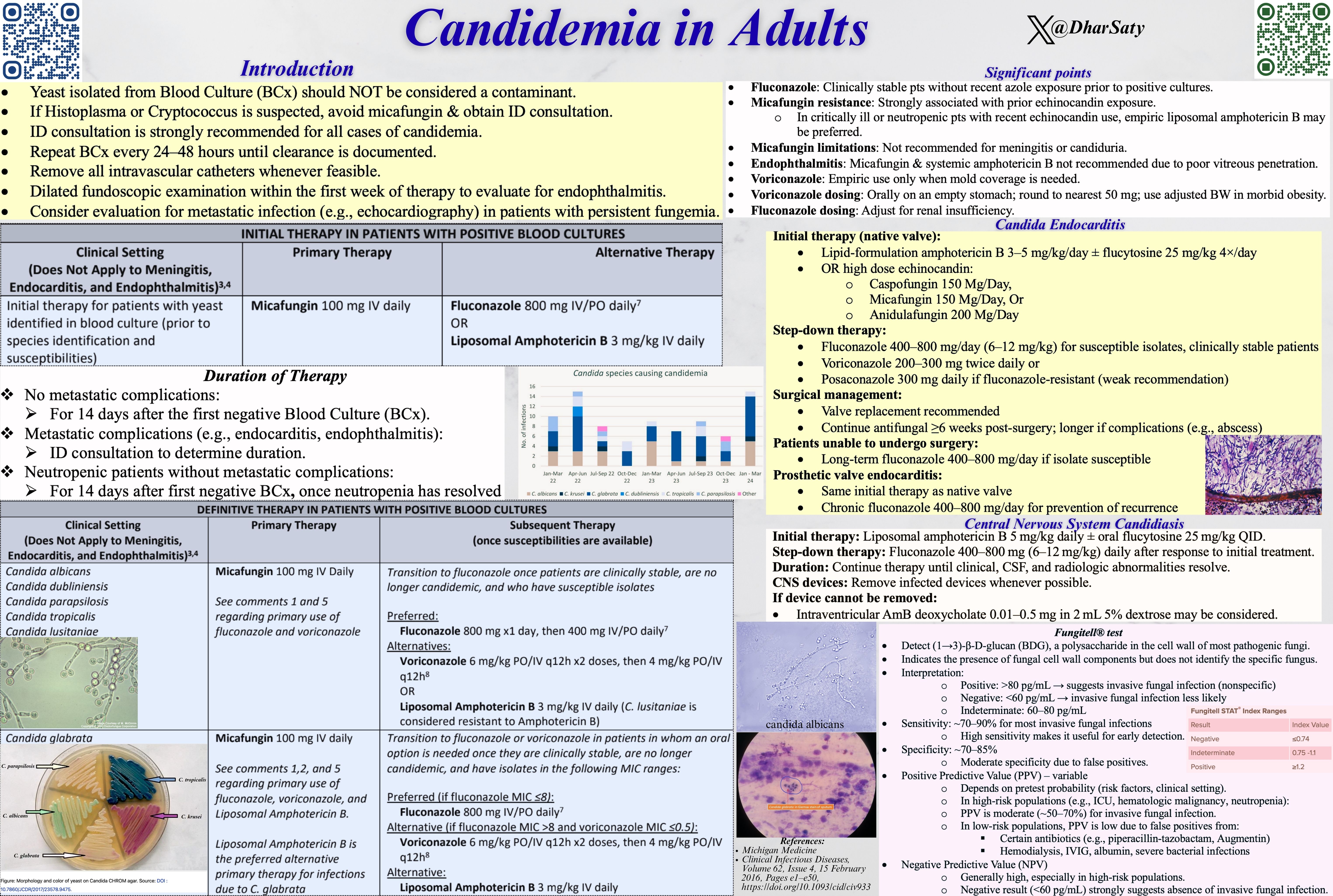
Invasive Fungal Infection (IFI)

Invasive fungal infections are severe infections in which fungal pathogens invade normally sterile body sites. They predominantly affect immunocompromised patients, including those with neutropenia, hematologic malignancies, solid organ or stem cell transplants, and prolonged corticosteroid or broad-spectrum antibiotic use.

Common Pathogens
Candida species (most frequent cause of bloodstream infections)
Aspergillus species (primarily pulmonary infections)
Cryptococcus species (commonly CNS involvement)
Emerging molds and rare fungi in high-risk populations

Risk Factors
Immunosuppression (neutropenia, chemotherapy, transplant)
Indwelling catheters or prosthetic devices
Prolonged ICU stay and broad-spectrum antibiotic exposure

Clinical Presentation
Symptoms vary by site of infection and may include fever, organ dysfunction, respiratory distress, or neurological deficits

Diagnosis
Culture and microscopy from sterile sites
Antigen/antibody testing (e.g., β-D-glucan, galactomannan, cryptococcal antigen)
Imaging studies (CT, MRI) for organ involvement
Histopathology when feasible

Management
Early initiation of targeted antifungal therapy
Source control, including removal of infected catheters or drainage of abscesses
Selection of therapy guided by species identification and antifungal susceptibility
Multidisciplinary approach with infectious diseases consultation

Prognosis
Dependent on timely diagnosis, host immunity, and pathogen virulence
Delays in treatment significantly increase morbidity and mortality

#candida #candidemia @invasivefungal #fungemia


